Since Qu Yuan,
A city and festival,
has tightly combined.
That's Yichang.

Today, 2300 years later,
the hometown of the Qu Yuan, Yichang China.
We invite all global youth!

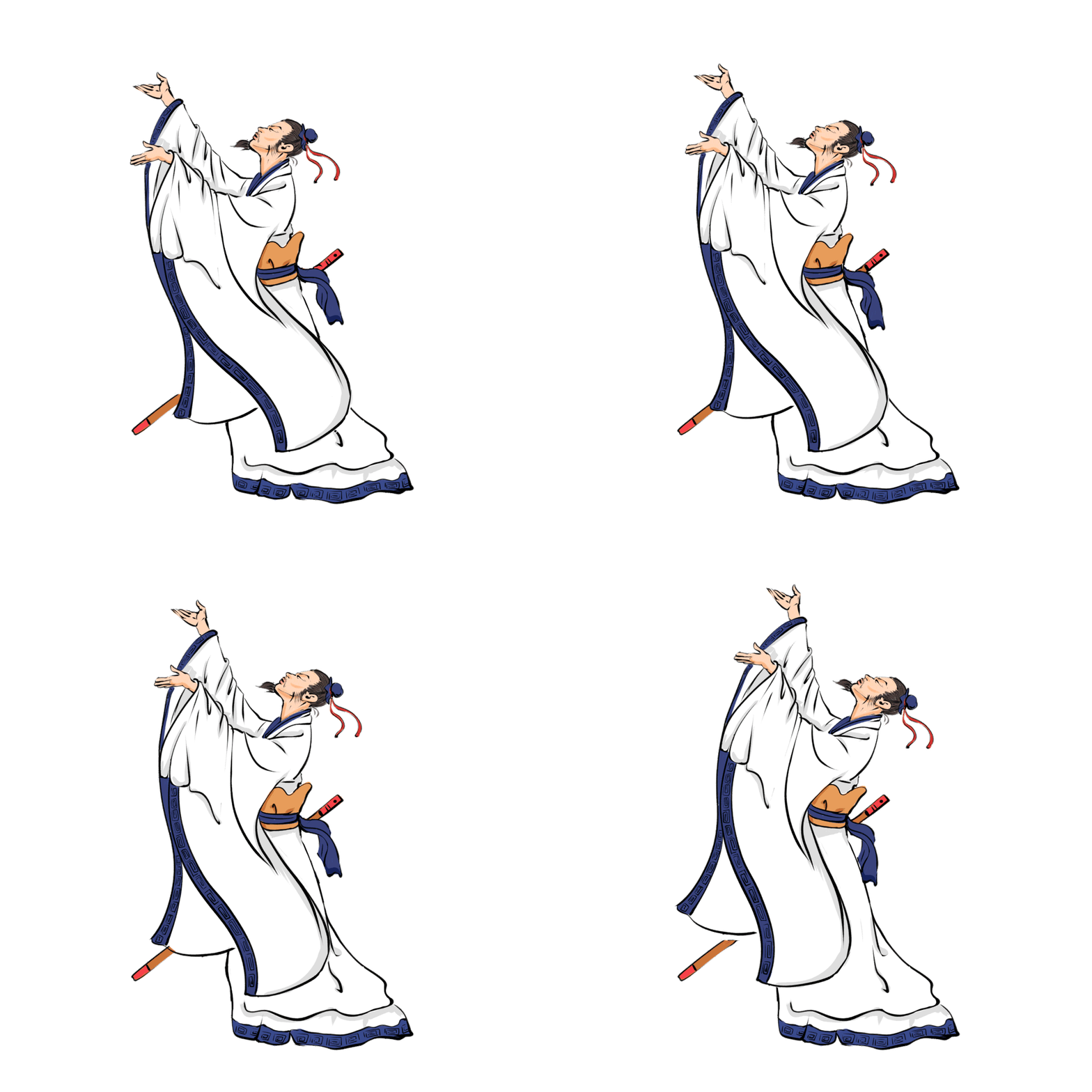
Invites you to compose an article, video, painting, or calligraphy.
No limits or restrictions on artistic content or form.
Use your imagination!
No matter where you are.
No matter who you are.
As long as you want to communicate with "Qu Yuan".
Show the Talent.
Join us!
Have you heard of Qu Yuan?
If you'd like to introduce Qu Yuan to your foreign friends.
Let’s see how it works!
Here are some tips!
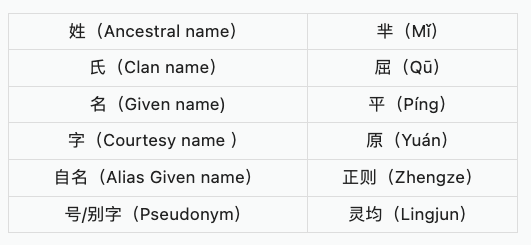
(Photo by Song Jinge)
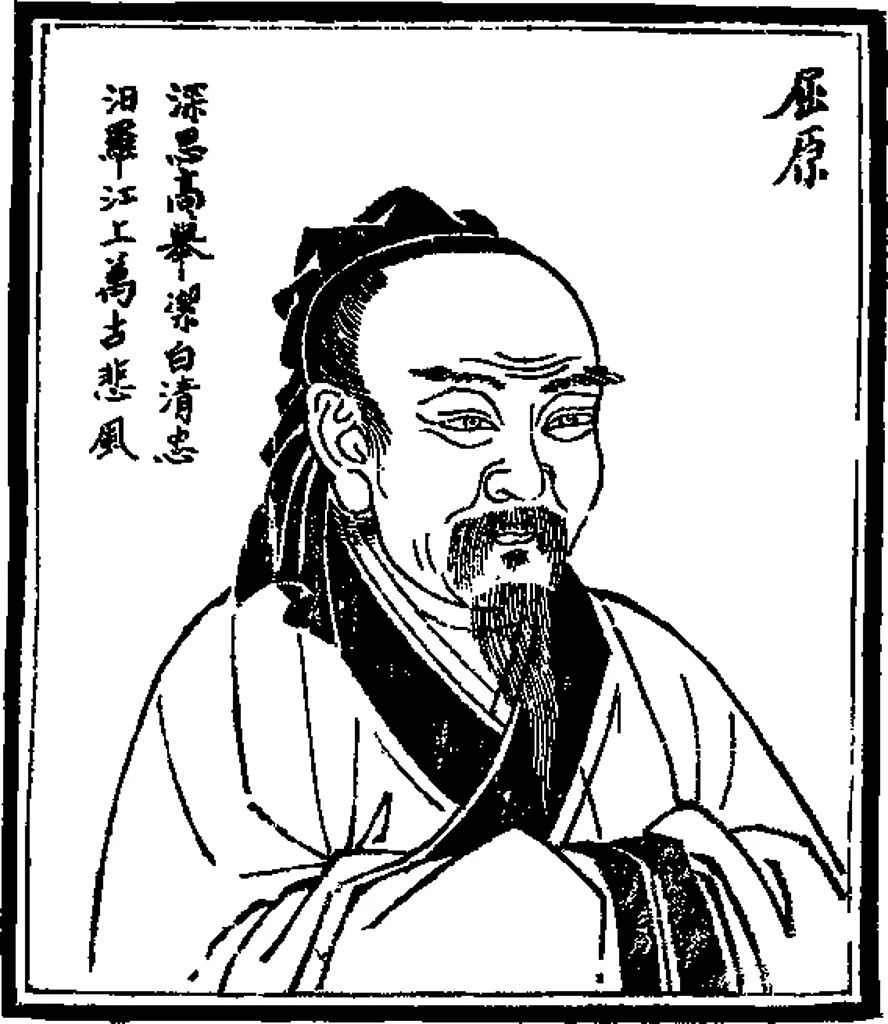
Qu Yuan (born 340 B.C.—died 278 B.C.), one of the greatest officers, was born into a noble family in the State of Chu during the Warring States Period (475 B.C.-221 B.C.).
While still in his 20s he was appointed a trusted, favored counselor of his kinsman Huaiwang, the ruler of Chu. Qu Yuan’s poetry showed imagination and innovation, effulgent the light of romantic, honoring legends through Chinese history. He is known as the father of Chinese poetry.
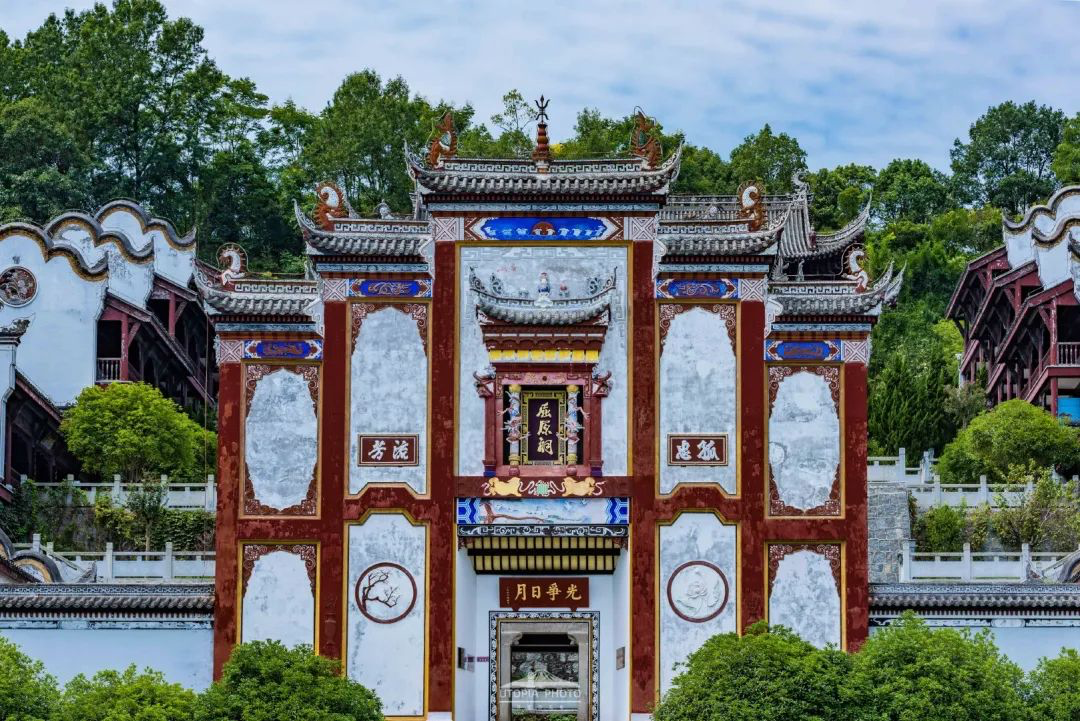
Qu Yuan was born in Lepingli of Zigui County. There are also a lot of historical spots at Lepingli, Zigui, such as Xianggu Stream, Mirroring Well, Book-reading Cave, and Three Paddies Growing Jade-white Rice, which reflects ordinary people’s deep love and respect for Qu Yuan.
The descendants in Zigui commemorate the greatest poet’s life, they constructed Qu Yuan Temple at his hometown.
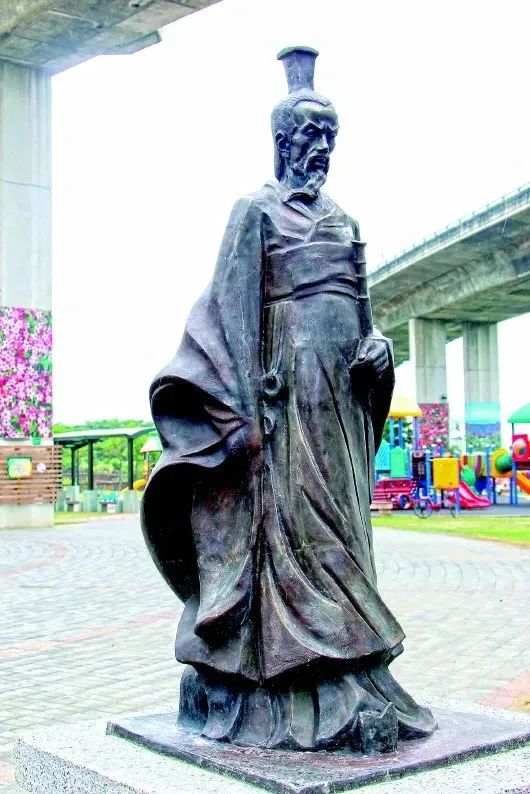
According to "Historical Records: Biography of Qu Yuan", he became a ministerand assisted King Huai of the Chu State in reform, and vigorously advocated to fight against inner and foreign affairs.
He was quite active in politics for instance drafting out rules and laws, conducting political reform, joining the expedition of the six states to fight against the State of Qin, and going to the State of Qi two times on diplomatic missions.
The Emperor of the Chu wanted to gain more lands from the state of the Qin. The state of Qin prime minister Jin Shang lied to the Chu Emperor about the intentions of Qu Yuan. Making Qu Yuan’s peers give up their trust in him and forcing Qu Yuan out of his position as a minister.
Although Qu Yuan was pushed away from his homeland, his heart was still connected to state affairs.
He affectionately wrote in the “Lament for the Chu Capital”.
A bird flies nowhere but home-bound; Oh!
A dying fox turns its head to its mound.
Guiltless but banished, I take flight; Oh!
How can I forget your day and night?
On the fifth day of the fifth lunar month in the year of 278 B.C., upon learning that the capital of his country was occupied by the State of Qin, Qu chose to drown himself in the Miluo River.
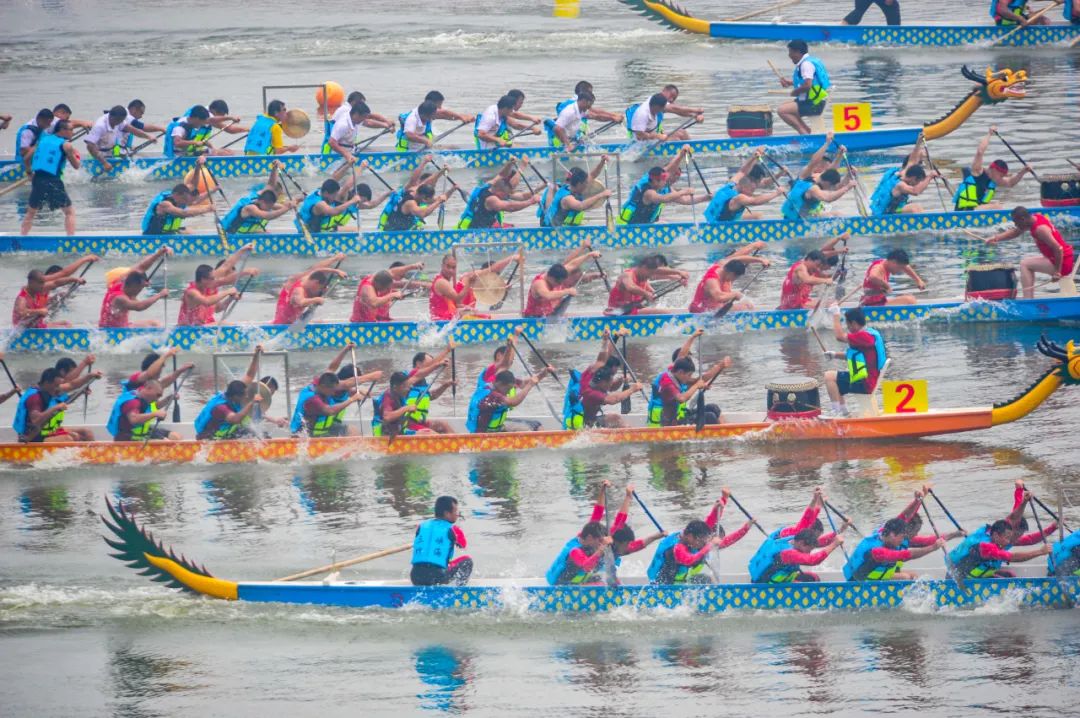
(Photo by Zheng Jiayu)
When they heard of his death, the local people rowed out on the river to search for his body but found nothing. In order to preserve his body, people paddled boats up and down the river.
They also threw lumps of rice into the river to feed the fish, so that they would not eat at Qu’s body. Gradually,the fifth day of the fifth lunar monthhas developed in commemoration of the great patriot Qu Yuan.
Qu Yuan was agreat patriotic poet in Chinese history and the forerunner of Chinese romantic literature. He was the founder of Chu Ci, the most prominent expressions in his works would be fragment herbs and beautiful lady. Qu Yuan was hailed as a poetry and prose ancestor in China. The 25 verses of his poems were passed down includingsuch as “LiSao: Suffering Throes”, “Sylva of Nine Pieces”, “Sky-Vaulting Queries” and “Nine Songs”during his life.
Later generations often likened the glory and the continuation of his noble spirit to the sunshine and the earth. In 1953, the World Peace Council listed Qu Yuan as one of the world's four cultural celebrities.
In September 2009, UNESCO added the Dragon Boat Festival to the Intangible Cultural Heritage list, making it the first Chinese festival to receive the honor.
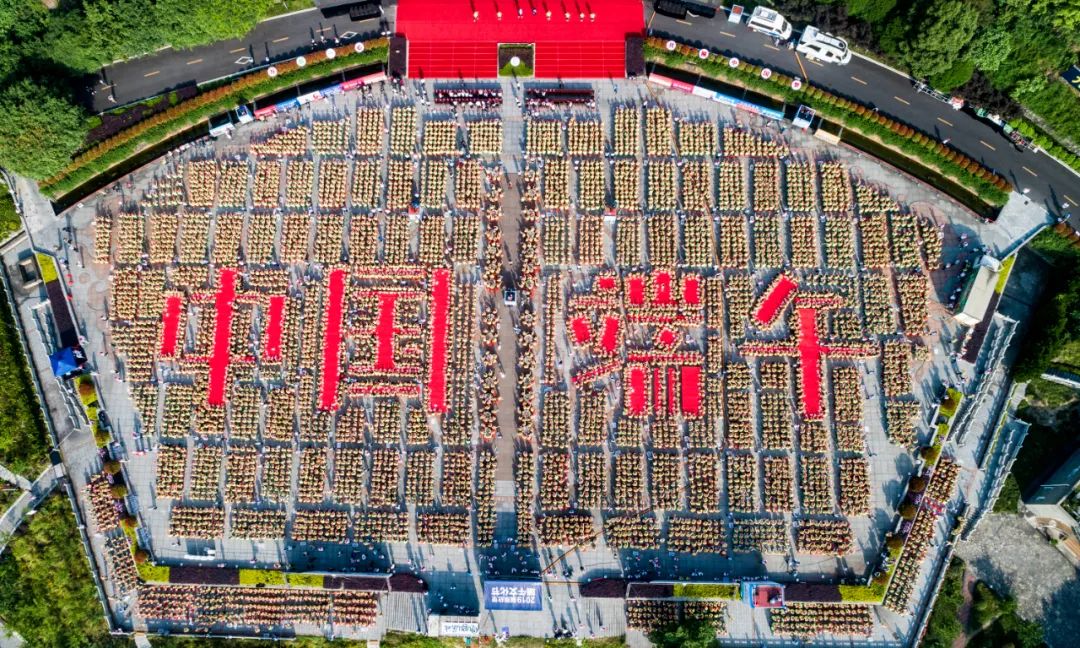
(Photo by Zheng Jiayu)
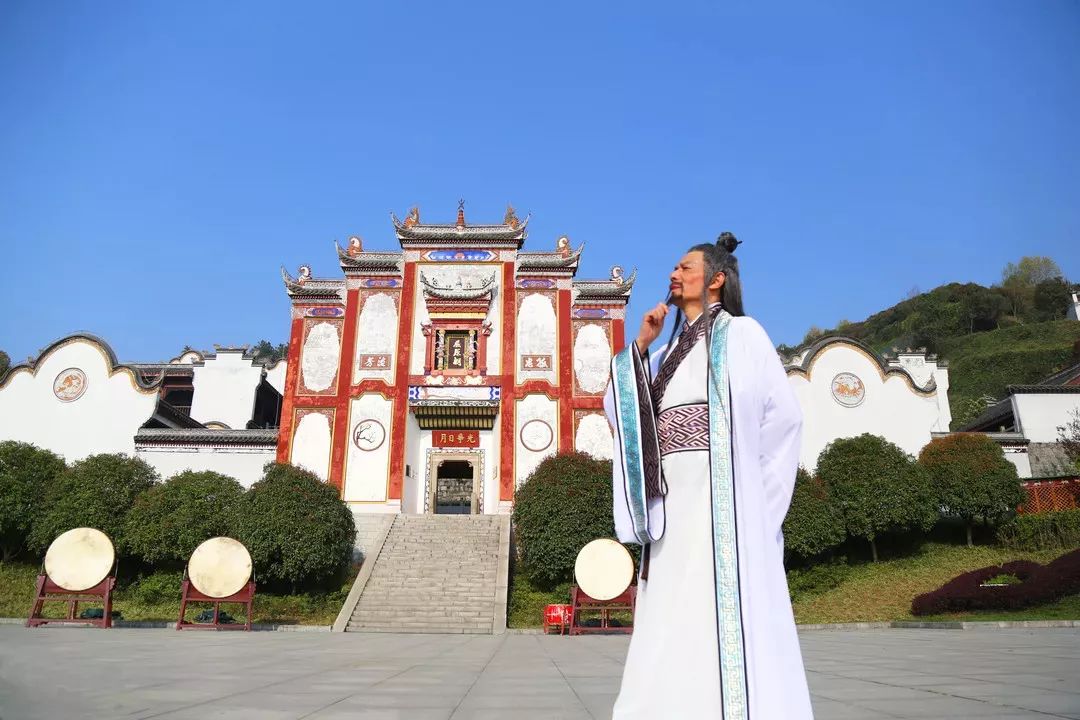
Lisao
Although the road is endless and far away, I still want to pursue truth in this world.
Long did I sigh and wipe away my tears, To see my people bowed by griefs and fears.
Since my heart did love such purity, I'd not regret a thousand deaths to die.
The fallen flowers lay scattered on the ground, The dusk might fall before my dream was found.
Tianwen
Who could tell us at last, When did begin the past?
How could anyone know, The formless high and low?